Don't Buy the Z95B Oled Until You Read This Full Analysis
Introduction
The world of OLED televisions continues to evolve at a rapid pace, with every year bringing new contenders and incremental feature upgrades. If you’ve been tracking the latest releases, the Z95B OLED is likely on your radar. As one of the flagship models in its class, it promises superior image quality, robust gaming features, and an elegant design that would rival any premium living room display. But before making a significant investment in a new OLED TV, it’s crucial to look beyond manufacturer hype and influencer headlines to understand what real-world ownership truly looks like.
This in-depth analysis dissects the Z95B OLED from top to bottom. Whether you’re a movie buff looking for cinematic immersion, a competitive gamer seeking the lowest input lag, or a general consumer evaluating value for money, this review will address the features that matter. Expect a critical lens, exploring both the TV’s strengths and weaknesses, and a fair comparison to other leading OLEDs available today. By the end, you’ll know if the Z95B deserves a spot in your home—or if your hard-earned cash might be better spent elsewhere.
Z95B OLED: Overview & Key Features
Launched as part of Z95’s premium lineup, the Z95B OLED TV positions itself as a top-tier display, equipped with the latest panel technology and smart features. Targeted primarily at enthusiasts and discerning viewers, it competes head-to-head with other OLEDs from LG, Sony, and Samsung. Here’s a summary of the Z95B OLED’s headline features:
- Panel Tech: 4K UHD OLED with advanced pixel-level dimming
- Processor: Next-generation image processor for AI-based upscaling and dynamic tone mapping
- Brightness: Enhanced brightness booster for improved HDR highlights
- Smart Platform: Integrated Smart OS with app store, voice assistants, and multi-device management
- Gaming Support: HDMI 2.1 ports, VRR (Variable Refresh Rate), ALLM (Auto Low Latency Mode), 120Hz native refresh
- Audio: Built-in Dolby Atmos support with up-firing speakers
- Build Quality: Ultra-thin bezel, premium metal stand, minimalist remote control
Real-World Use Cases and Performance
Picture Quality
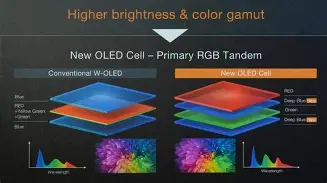
The Z95B OLED’s display is stunning in controlled environments. Thanks to self-emissive pixels, viewers get true blacks, infinite contrast, and a wide color gamut supporting vibrant HDR footage. The enhanced brightness booster does deliver slightly punchier highlights compared to previous Z-series OLEDs, making HDR content livelier and more engaging. Upscaling is handled gracefully, with lower-resolution streams looking crisp and noise-free.
In dark room viewing—like late-night movie sessions—the Z95B easily matches the performance of competing models. Shadow detail and specular highlights stand out, with only minimal banding visible in challenging scenes. For sports and action movies, the 120Hz native refresh rate and effective motion processing ensure smooth panning with little judder or blur.
Gaming Capabilities
For gamers, the Z95B brings a robust feature set. Input lag is impressively low (typically <13ms in Game Mode), making it a solid choice for both casual and competitive console gaming. With full HDMI 2.1 support, 4K/120fps gameplay is seamless on PlayStation 5 and Xbox Series X. VRR compatibility ensures tearing-free visuals, and ALLM correctly activates the best settings when game consoles are detected.
Shop the latest TVs & Home Theater picks on Amazon.
Browse Now →However, long gaming sessions with static HUDs or UIs can still expose the inherent risk of OLED burn-in—especially with brightly colored or permanent elements. While the Z95B includes pixel shift and screen-saving features, this is a consideration for those who use their TV predominantly for gaming or always watch content with channel logos.
Smart Features & Interface
The custom Smart OS ecosystem is visually polished and packed with mainstream streaming apps out of the box. Setup is straightforward, and the interface stays quick, even as more apps are added. Voice control, multi-user profiles, and direct integration with smart home ecosystems are all present, offering a convenience on par with other premium brands.
One notable drawback: occasional app crashes or laggy animations when switching between resource-intensive apps. While firmware updates are rolled out periodically, early users have reported varying bugfix consistency.
Audio Performance
Though the Z95B’s speakers outperform most built-in TV audio systems—especially with Dolby Atmos content—the experience won’t match a dedicated external soundbar or AVR setup. Dialogue is clear, and there’s an attempt at surround sound immersion via up-firing speakers, but bass response remains limited. For critical home theater users, factoring in a separate audio solution is advisable.
Pros and Cons
Pros
- Exceptional picture quality with perfect OLED blacks and vivid HDR highlights
- Superb motion handling for sports and fast-paced video content
- Low input lag and strong gaming features (VRR, ALLM, HDMI 2.1)
- Sleek, modern design with ultra-thin bezels
- Comprehensive smart platform with all major streaming apps
Cons
- Pricier than similar-featured competitors with only incremental improvements
- Potential for burn-in with heavy static content use
- Built-in audio, while improved, still not enough for home theater enthusiasts
- Some system firmware and app stability issues still present
- Peak brightness remains slightly behind latest MLA/QD-OLED competitors
Z95B OLED Compared to Other Leading OLED TVs
| Feature | Z95B OLED | LG C3 OLED | Sony A95L QD-OLED | Samsung S95C QD-OLED |
|---|---|---|---|---|
| Panel Type | WOLED | WOLED | QD-OLED | QD-OLED |
| Peak Brightness (cd/m², real-world, 10% window) | ~900 | ~900 | ~1,100 | ~1,300 |
| HDR Formats | Dolby Vision, HDR10, HLG | Dolby Vision, HDR10, HLG | Dolby Vision, HDR10, HLG | HDR10+, HDR10, HLG |
| HDMI 2.1 Ports | 4 | 4 | 4 | 4 |
| VRR/ALLM Support | Yes/Yes | Yes/Yes | Yes/Yes | Yes/Yes |
| Smart OS | Custom (Z95 UI) | webOS | Google TV | Tizen |
| Speakers | Dolby Atmos, Up-Firing | Dolby Atmos | Dolby Atmos Acoustic Surface | Dolby Atmos OTS Lite |
| Sizes | 55", 65", 77" | 42"–83" | 55", 65", 77" | 55", 65", 77" |
| Warranty | 1 year | 1 year | 1 year | 1 year |
| MSRP (65") | High | Moderate | Very High | Moderate–High |
| Burn-in Mitigation | Pixel shift, screensaver | Pixel cleaning, screensaver | Pixel refresh, screensaver | Pixel shift, screensaver |
Buying Guide: How to Choose the Right OLED TV for Your Needs
1. Assess Your Use Case
- Movie & TV Watching: Prioritize OLED models for perfect blacks and wide viewing angles. Consider the Z95B if you want cinematic immersion and don’t mind paying a premium.
- Gaming: Look for TVs with HDMI 2.1, VRR, ALLM, and low input lag. The Z95B is competitive, but burn-in risk should be balanced against QD-OLED or mini-LED options for those who game daily.
- Sports & Live TV: Fast motion handling and upscaling are key. All leading OLEDs, including the Z95B, do well here.
- Bright Rooms: QD-OLED models and some mini-LEDs offer higher peak brightness and better anti-reflection than the Z95B, making them better for sunlit environments.
2. Feature Priorities
- Smart Platform: If you have a preferred interface (webOS, Google TV, Tizen), factor that in—since daily use depends on a smooth OS.
- Audio: If you use built-in speakers, compare sound quality closely. For home theater setups, plan for a dedicated audio system anyway.
- Future-Proofing: All leading OLEDs now support 4K/120Hz through HDMI 2.1, but panel technology and firmware update support will influence long-term satisfaction.
3. Burn-In Risk & Longevity
OLED TVs are still susceptible to permanent image retention, especially from static logos, UI elements, or repeated content. The Z95B’s protections are solid but not flawless; consider usage patterns and review warranty terms for burn-in cover (many exclude it).
Discover deals on TVs & Home Theater — updated daily.
See Deals →4. Price & Value
Brand-new OLEDs like the Z95B come at a high initial cost. Waiting for a few months post-launch often nets meaningful discounts. If you’re flexible on brand or panel type, last year’s premium models, or competing QD-OLEDs, may offer better value.
Conclusion
The Z95B OLED is an undeniably impressive television, combining jaw-dropping picture quality, low-latency gaming features, and a sleek, premium form factor. For movie enthusiasts seeking cinematic fidelity, or those entrenched in the Z95 ecosystem, it’s a strong contender. However, its advantages over established competitors are incremental rather than groundbreaking, and the price premium is tough to justify for most buyers.
Potential buyers must weigh the very real risk of OLED burn-in against the allure of perfect blacks and vibrant HDR. If you’re searching for a TV that balances superb image quality, gaming prowess, and long-term durability (especially for heavy static content use), alternatives like QD-OLEDs or flagship mini-LEDs deserve close attention.
In sum, the Z95B OLED is not a universal “must buy.” It’s best suited for those who understand both the strengths and limitations of OLED technology, and who are seeking the best possible cinematic experience in their budget range. For everyone else, it’s wise to weigh your needs and compare thoroughly—your perfect TV might be just on the next shelf.