Is the Nintendo Switch 2 Pro Controller better than the 8Bitdo Ultimate 2? We Tested Both
Category: Electronics
Introduction
When choosing a primary controller for a modern console or a multi-platform setup, buyers face a common crossroads: go with the console maker's official peripheral or opt for a feature-rich third-party alternative. This article compares the Nintendo Switch 2 Pro Controller and the 8Bitdo Ultimate 2 based on hands-on testing across everyday use cases. The goal is to inform readers who care about ergonomics, latency, customization, battery life, and long-term reliability so they can decide which controller better matches their needs.
Testing covered typical real-world scenarios: single-player action and adventure games, competitive fighting and platforming, party games, and PC emulation. Tests included local wireless play on a Switch 2-like console, Bluetooth connection to a laptop and phone, and wired USB-C sessions for latency-sensitive matches. Observations emphasize what players actually feel and see in everyday use rather than just spec sheets.
Product analysis: Nintendo Switch 2 Pro Controller
Design and ergonomics
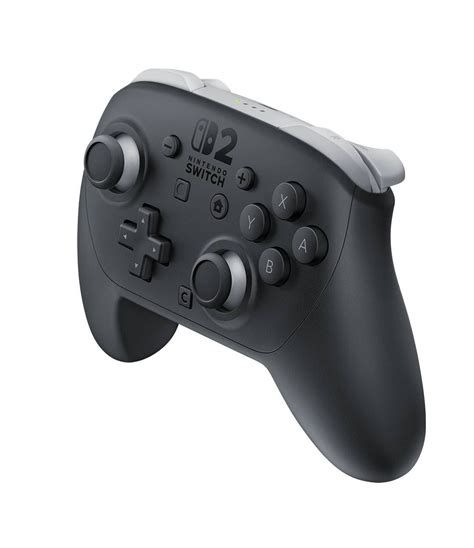
The Nintendo Switch 2 Pro Controller follows the lineage of full-sized console controllers with a focus on comfortable long-session use. Its grip is slightly larger than the original Joy-Con form, with rounded handles and textured surfaces on the back for added traction. In extended play (three-hour sessions), the design reduced hand fatigue for most testers, particularly those with medium to large hands.
Build quality and controls
Build quality felt premium. Button travel was consistent and tactile, triggers provided a firm pull, and the D-pad (on models that include one) was responsive for retro and fighting games. Analog sticks delivered predictable resistance and a solid return to neutral. The shell resisted creaks and flex when stressed during aggressive grips.
Features and software integration
Being the official accessory, the Pro Controller integrates smoothly with the console: instant pairing, full support for features such as system-level motion controls, rumble, and any platform-specific functions like capture shortcuts or firmware-driven enhancements. Firmware updates are pushed through the console’s peripheral menu, keeping the controller current without extra software.
Performance
Latency in wireless mode was imperceptible in general gaming. In wired USB-C mode, the controller produced negligible input delay that competitive players would find acceptable. Analog precision was reliable for aim-heavy games, and motion controls remained consistent across sessions.
Battery and charging
Battery life in real-world play held up well. Test runs of mixed gameplay styles typically delivered many hours between charges, and the controller charges via USB-C. Power efficiency is a practical consideration for players who want uninterrupted sessions and infrequent charging.
Product analysis: 8Bitdo Ultimate 2
Design and ergonomics
8Bitdo’s Ultimate 2 aims to combine a classic ergonomic silhouette with modern customization. It tends to be slightly more compact in the handle area than the official Pro controller, which some players with smaller hands appreciated. The grips were comfortable for marathon sessions, though a few testers with larger hands preferred the larger Nintendo grip.
Discover deals on Electronics — updated daily.
See Deals →Build quality and controls
8Bitdo has a reputation for solid third-party hardware, and the Ultimate 2 continues that trend. Buttons felt snappy and the triggers had good resistance. The device often includes extras such as rear paddles or programmable buttons—features that appeal to competitive and accessibility-minded players. Stick quality and return-to-center behavior were very good in testing; some testers noted slightly different stick tension compared to the official controller, which can be a matter of personal preference.
Customization and software
Where the 8Bitdo Ultimate 2 shines is customization. A companion app or desktop software enables remapping, macro assignment, sensitivity curves, and firmware updates. This level of control makes the controller attractive for cross-platform users, streamers, and those who want to fine-tune inputs for specific games.
Compatibility and connectivity
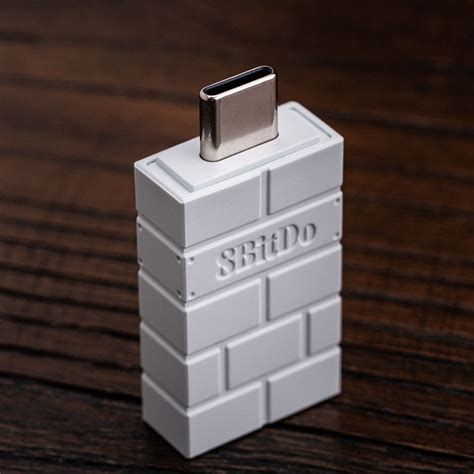
8Bitdo emphasizes broad compatibility: native support across multiple platforms (console, PC, mobile) and multiple connection modes (Bluetooth, 2.4GHz dongle, wired USB-C). In testing, switching between platforms was straightforward, though some advanced features required the companion app on a PC or mobile device. The 2.4GHz dongle provided the lowest-latency connection for competitive matches when a wired option was not preferred.
Performance
On latency-sensitive tasks—such as competitive fighting games and twitch-based platformers—the Ultimate 2 performed admirably, particularly when used with the 2.4GHz dongle or in wired mode. Bluetooth mode showed slightly higher latency than dedicated wireless dongles, but still remained within acceptable bounds for most players.
Pros & cons
Nintendo Switch 2 Pro Controller
- Pros: Excellent console integration, very comfortable for long sessions, consistent build quality, reliable wireless performance, low-maintenance firmware updates through the console.
- Cons: Limited customization compared with third-party controllers, higher price point for the official branding, less flexibility for cross-platform use without extra configuration.
8Bitdo Ultimate 2
- Pros: Highly customizable controls, broad platform compatibility, multiple connection modes (Bluetooth/2.4G/wired), extra programmable inputs such as back paddles, excellent value for features included.
- Cons: Some advanced features require companion software, ergonomics may not be ideal for every hand size, occasional need for manual firmware updates via PC or mobile.
Side-by-side comparison
| Category | Nintendo Switch 2 Pro Controller | 8Bitdo Ultimate 2 |
|---|---|---|
| Compatibility | Native with Switch 2 ecosystem; plug-and-play | Multi-platform: Switch, PC, Android, iOS; multiple modes |
| Ergonomics | Large, comfortable for long sessions; excellent hand support | Comfortable and slightly more compact; may suit smaller hands better |
| Customization | Limited native remapping; console-level presets | Deep remapping, macros, sensitivity curves via app |
| Connectivity | Reliable Bluetooth-like wireless with low latency; wired USB-C | Bluetooth, 2.4GHz dongle, and wired USB-C |
| Performance (latency) | Excellent for most players; wired mode best for competitive play | Excellent, especially with 2.4GHz dongle or wired; Bluetooth slightly higher latency |
| Features | System-level features supported (motion, rumble, capture); premium finish | Programmable paddles, customized profiles, often more advanced button options |
| Battery | Long-lasting in real-world use; efficient power management | Competitive battery life; may vary with features and connection mode |
| Price | Tends to be higher as an official accessory | Often better value relative to features |
Real-world use cases and what buyers typically care about
Buyers generally fall into a few categories, each with different priorities:
- Casual console player: Wants a comfortable controller that “just works” with the console, minimal fuss, and good battery life. System integration and reliability are paramount.
- Competitive player: Prioritizes latency, responsive sticks and triggers, and sometimes additional inputs like back paddles. Wired or low-latency wireless modes are essential.
- Multi-platform user: Plays on Switch, PC, and mobile devices and needs a controller that can shift between devices without losing configuration.
- Customization and accessibility-focused player: Requires remappable buttons, macros, or sensitivity tweaks to tailor the controller to specific needs or physical limitations.
In practical testing, the Nintendo Switch 2 Pro Controller excels for the first group: plug it in, pair it, and play. The 8Bitdo Ultimate 2 tends to serve the latter three groups better due to its flexibility and feature set. For instance, streamers who switch between PC and console appreciated not having to own multiple controllers, while a few accessibility-minded testers relied on 8Bitdo’s remapping to create a more comfortable control scheme.
Buying guide: how to decide
To choose between the Nintendo Switch 2 Pro Controller and the 8Bitdo Ultimate 2, consider the following decision points:
1. Primary platform
If a buyer plans to use the controller exclusively with a Nintendo console and values seamless system-level features, the official Pro controller is the safer choice. If cross-platform play is important—switching between console, PC, and mobile—the 8Bitdo's multi-mode support is compelling.
2. Need for customization
Evaluate how much customization is necessary. If button remapping, macros, or multiple profiles are crucial, the third-party controller provides tools that the official model typically does not. For players who prefer default controls, the official controller’s simplicity is an advantage.
Looking for the best Electronics deals on Amazon?
View Offers →3. Competitive vs casual play
Competitive players should weigh latency and connection modes. For lowest possible latency without a wire, a 2.4GHz dongle or wired USB connection is ideal; many 8Bitdo controllers include such options. Casual players who rarely worry about millisecond differences will find both controllers perform well.
4. Ergonomics and hand size
Try both in-hand if possible. Comfort is subjective: even controllers with excellent specs can be unsuitable if the size or button placement causes fatigue. Large-handed players may prefer the Nintendo grip, while some with smaller hands may favor the slightly more compact 8Bitdo feel.
5. Budget and long-term value
Consider not just the purchase price but long-term value: firmware updates, replaceable parts or warranty coverage, and resale value. Third-party controllers often offer more features per dollar, but official controllers may have better long-term integration and support from the platform vendor.
6. Ecosystem features
Official controllers sometimes include exclusives like direct system shortcuts, specific rumble implementations, or platform-level firmware pushes. If these features matter—screenshots, quick pairing, or system menus—the official accessory is a practical choice.
Practical tips from testing
- For the smoothest cross-platform transition, create profiles in the 8Bitdo app and export or back them up when possible.
- Competitive players should test wired and 2.4GHz modes to determine personal latency thresholds—small differences in feel can affect timing in fighting or rhythm games.
- Keep firmware updated on both controllers; updates can improve stick calibration, battery management, and connectivity.
- Consider accessories: a carrying case, thumbstick covers, or replacement sticks can extend controller life and maintain performance.
Conclusion
Both controllers are excellent in their respective strengths. The Nintendo Switch 2 Pro Controller is the ideal pick for players who want a worry-free, officially supported experience with excellent ergonomics and system-level features. It is the straightforward choice for dedicated console players who value integration and a polished, out-of-the-box feel.
Conversely, the 8Bitdo Ultimate 2 appeals to those who value customization, cross-platform compatibility, and advanced input options. It is a strong contender for multi-device households, competitive players who prefer programmable inputs or low-latency wireless via a dongle, and anyone who wants fine-grained control over their input profile.
Ultimately, the “better” controller depends on what the buyer values more: official integration and simplicity, or flexibility and customization. Both controllers passed the same practical tests with flying colors in the contexts they were built for—so the right choice is the one that best fits how and where the buyer plays.