The Ultimate Showdown: Samsung Galaxy Z Flip 7 vs Galaxy Z Flip 6 for 2026
Category: Electronics
Introduction
Foldable phones have moved from curiosity to mainstream option in a few short years, and Samsung's Galaxy Z Flip line is a leading example of compact innovation with practical appeal. As of 2026, buyers deciding between the Samsung Galaxy Z Flip 7 and the Galaxy Z Flip 6 face a familiar tension: choose the newer model with incremental upgrades, or save money on last year's revision that still delivers a premium foldable experience? This article examines both devices across design, display, hinge engineering, performance, battery life, cameras, software, durability and value. It focuses on real-world use cases—commuting, content creation, multitasking, and daily pocketability—and offers a clear buying guide to help readers match a phone to their priorities.
Overview: What each model represents
The Galaxy Z Flip 6 established a clear blueprint: a compact foldable that fits easily into pockets while offering a full smartphone experience when opened. It appealed to users who wanted the novelty of a folding design without the bulk of foldable tablets.
The Galaxy Z Flip 7 builds on that foundation. Rather than a radical redesign, the Flip 7 delivers refinements that matter in daily use—better performance, longer software support, subtle improvements to the exterior and cover display, and durability gains in hinge engineering. For buyers in 2026 these differences determine which device is the smarter long-term buy.
Design and build: pocketability, materials, and finishes
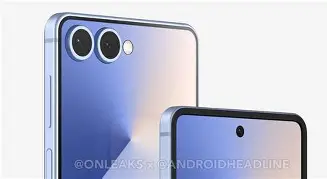
Both phones prioritize pocket-friendly dimensions when folded and comfortable one-handed use when open. The Flip 6 was praised for its compact footprint and balanced weight distribution; the Flip 7 streamlines that concept with marginally refined proportions and finishing touches. In practice, these design tweaks translate into improved in-hand feel and a slightly more premium impression—especially on metal frames and matte finishes on certain colorways.
Real-world buyers should consider two practical elements: how the phone feels in pockets and how easy it is to use without unfolding. The Flip 6 remains excellent for users who prioritize minimal bulk. The Flip 7 may feel a touch more refined and resistant to everyday wear, but it won't drastically change how the device is carried.
Display and cover screen: more than just a novelty
The unfolded primary displays on both models offer the large, immersive canvas users expect from modern flagships. When it comes to the external (cover) display—the small screen visible when the device is folded—this is where usability differences are most tangible. The Flip 6 introduced an expanded, more interactive cover screen compared to earlier flips, which made quick notifications, media controls and camera framing far more useful without unfolding the device.
The Flip 7 takes the cover display further by improving responsiveness, adding deeper quick-action support, and in some cases increasing functional area for widgets. For commuters and anyone who frequently checks notifications on the go, the Flip 7's cover screen provides measurable time savings and convenience in everyday scenarios.
Hinge engineering and durability
Hinge design is the anchor of any foldable's longevity. The Flip 6 improved dust resistance and hinge smoothness over predecessors, addressing one of the main consumer concerns: long-term reliability. The Flip 7 refines hinge tolerances further and brings incremental breakthroughs in debris resistance and opening/closing feel.
For users who keep phones two to three years or longer, these improvements are relevant. A more robust hinge reduces the risk of long-term mechanical issues and helps maintain resale value. However, both models benefit from Samsung's continued focus on hinge reliability, and proper case use and care are still essential.
Performance and day-to-day speed
Performance differences between generations of foldables tend to be iterative rather than revolutionary. The Flip 6 offered flagship-level performance appropriate for gaming, social apps, and multitasking at launch. The Flip 7 brings a more efficient and powerful chipset, translating into faster app launches, smoother multitasking for heavy users, and better thermal behavior under sustained load.
In practical terms, users who play demanding games, edit video on-device, or rely on extensive background tasks will notice the Flip 7's snappier performance and improved battery efficiency. For average social-media, streaming and productivity use, the Flip 6 remains more than capable.
Discover deals on Electronics — updated daily.
Browse Now →Battery life and charging
Battery life is a frequent sticking point for foldable phones because of their compact chassis. The Flip 6 made moderate gains in capacity and efficiency, and offered fast charging options suitable for daily top-ups. The Flip 7 generally provides better endurance through a combination of slightly larger battery and chipset optimizations.
Real-world testing matters more than headline numbers: users who are often away from chargers (e.g., commuters, long-day travelers) should expect more reliable all-day performance from the Flip 7. Occasional users or those who can recharge midday will find the Flip 6 satisfactory. Both phones support common wireless and wired charging standards and provide practical quick-charge speeds for short top-ups.
Camera systems and image quality
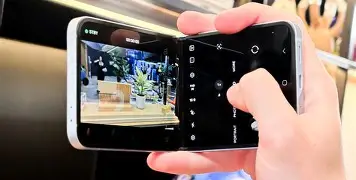
Camera performance is a key purchase driver. The Flip 6 arrived with a competitive camera system designed to deliver solid results in everyday situations: daytime shots, social content, and quick snaps. The Flip 7 focuses on software refinements and modest sensor upgrades that improve low-light performance, portrait framing, and video stabilization.
For content creators who rely on a phone for vlogging, selfie framing and quick social uploads, the Flip 7's camera improvements—particularly in stabilization and computational processing—make it a more compelling tool. For casual photographers who mostly post to social media and capture memories, the Flip 6 delivers comparable results at a lower cost.
Software, updates, and long-term support
Software longevity is one of the strongest arguments for buying newer hardware. Samsung has extended Android version and security update commitments in recent years, and the Flip 7 benefits from a longer support window compared to the Flip 6. This matters for buyers who keep devices for multiple years and care about feature updates, security patches, and resale value.
Both phones run Samsung's One UI with optimizations for foldable screens, such as Flex Mode and multi-window multitasking. The Flip 7 introduces incremental feature upgrades and longer guaranteed update timelines, making it a safer long-term investment for future-proofing.
Pricing and real-world value
By 2026 pricing will reflect each device's age: the Flip 7 commands a premium as the newer model, while the Flip 6 is more attractive to price-conscious buyers seeking a foldable experience at a lower entry point. Value considerations extend beyond purchase price: trade-in programs, carrier deals, and how long a buyer plans to keep the phone influence total cost of ownership.
If budget is the primary constraint, the Flip 6 often provides the best “foldable for less” value. If a buyer values extended software support, slightly better cameras and battery life, and the smoothest long-term performance, the Flip 7 justifies the extra spend.
Comparison table: Flip 7 vs Flip 6 (at-a-glance)
| Category | Samsung Galaxy Z Flip 7 | Samsung Galaxy Z Flip 6 |
|---|---|---|
| Design | Refined proportions, premium finishes; incremental ergonomics improvements | Compact, well-balanced; slightly older design language |
| Cover display | More interactive, better widget support and responsiveness | Useful and functional, but less versatile than newer model |
| Hinge & durability | Improved hinge tolerances and debris resistance | Solid hinge performance with good durability for typical use |
| Performance | Newer chipset—faster and more efficient for sustained workloads | Flagship-class performance adequate for most users |
| Battery & charging | Better real-world endurance via efficiency gains and modest capacity increase | Good day-to-day battery for average use; faster top-ups supported |
| Camera | Software-driven improvements, better low-light and stabilization | Strong everyday camera; marginally behind in low-light/video |
| Software updates | Longer guaranteed update window and latest features | Still receives updates but for a shorter remaining period |
| Value | Higher upfront cost; better long-term value for longevity-focused buyers | Lower price; excellent value for budget-conscious foldable shoppers |
| Best for | Users who want the latest refinements, longer support, and smoother everyday convenience | Buyers who want a premium foldable experience at a lower price |
Pros & cons
Samsung Galaxy Z Flip 7
- Pros:
- Refined cover display with broader functionality for quick tasks
- Improved hinge durability and build refinements
- Faster and more efficient chipset for sustained performance
- Better low-light camera processing and stabilization
- Longer software update window for future-proofing
- Cons:
- Higher price compared with the previous generation
- Improvements are evolutionary rather than revolutionary
- Smaller marginal benefit for users with light usage patterns
Samsung Galaxy Z Flip 6
- Pros:
- Excellent pocketability and design at a reduced price point
- Strong overall performance for everyday tasks
- Good camera quality for casual photography
- Solid hinge design and proven reliability in real-world use
- Cons:
- Shorter remaining software update window than newer model
- Less capable cover display compared to the Flip 7
- Minor battery life differences may show under heavy use
Real-world use cases: matching device to lifestyle
Commuters and city dwellers
For those who rely on public transit and need a pocketable device to quickly check messages, manage playlists and take a few photos, both models work well. The Flip 7's improved cover display is particularly convenient for boarding passes, quick replies and media controls without unfolding. If budget matters more than that extra convenience, the Flip 6 remains a practical daily driver.
Content creators and casual vloggers
Creators who film vertical video, selfie-style vlogs or use the cover screen as a viewfinder will benefit from the Flip 7's camera stabilization and software-driven improvements. The larger functional cover display and better video processing mean less post-editing and more usable footage from the device itself.
Business and productivity users
Power users who value multitasking, secure biometric unlocking and long-term software support should lean toward the Flip 7. Its smoother performance under load and extended OS/security updates make it a safer choice for those planning to keep their phone for multiple years. The Flip 6 still handles email, calendars, and light productivity apps well.
Budget-focused buyers
Those who want the foldable form without paying top dollar will find the Flip 6 to be the more economical route. It delivers most of the core foldable experience—pocketability, Flex Mode and a satisfying main display—at a lower entry price, making it an attractive choice for first-time foldable buyers.
Looking for the best Electronics deals on Amazon?
Shop Amazon →Buying guide: how to choose between Flip 7 and Flip 6
When deciding between these two models in 2026, follow a practical checklist. The right choice aligns with prioritized needs: longevity, photography, budget, or portability.
1. Decide how long you plan to keep the phone
If the horizon is three or more years, the Flip 7's longer software support and incremental hardware improvements make it a better investment. For shorter ownership cycles (12–24 months), the Flip 6 often provides the same day-to-day experience at a lower cost.
2. Prioritize daily conveniences
Buyers who frequently rely on quick interactions—responding to messages on the go, using media controls, and using widgets—should favor the Flip 7 because of its more capable cover screen and faster interaction flows.
3. Evaluate camera needs
If photography and video are central—especially in low light or for stabilized vlogging—the Flip 7's camera processing and stabilization improvements are valuable. Casual photographers who mostly post to social platforms will still find the Flip 6 perfectly adequate.
4. Consider battery expectations
Ask how many hours away from a charger the user typically is. Heavy all-day users leaning on gaming, navigation and video will appreciate the Flip 7's efficiency gains. For conservative users or those with access to frequent charging, the Flip 6 remains serviceable.
5. Factor in price and trade-in possibilities
Compare current market pricing, trade-in values and any carrier promotions to determine actual out-of-pocket cost. Often, the net savings on a Flip 6 can be substantial—offsetting many of the Flip 7's advantages for price-sensitive buyers.
6. Think about accessories and protection
Invest in a protective case designed for the specific Flip model to protect the hinge and outer shell. Screen protectors that are compatible with foldable displays and a reliable warranty or protection plan can extend ownership satisfaction regardless of which model is chosen.
Final considerations
Both the Samsung Galaxy Z Flip 7 and Galaxy Z Flip 6 represent mature foldable designs that are well-suited to a wide range of buyers. The Flip 7 emphasizes refinement: better cover-screen utility, slightly improved battery life, more efficient performance and a longer update window. The Flip 6 offers a compelling value proposition for buyers who want the foldable form factor without paying the premium of the newest release.
Conclusion
Choosing between the Galaxy Z Flip 7 and the Galaxy Z Flip 6 in 2026 comes down to priorities. If long-term software support, incremental camera and battery improvements, and the smoothest everyday convenience matter most, the Flip 7 is the prudent choice. If the primary drivers are pocketability, solid performance and a lower purchase price, the Flip 6 remains an excellent and practical foldable that delivers most of what users love about the Flip line.
Ultimately, both phones bring the benefits of foldable design to real-world use cases: commuters can interact quickly without unfolding, creators gain flexible framing for vertical content, and anyone who values compactness enjoys a phone that fits where a traditional phone might not. Match the decision to how the device will be used—and buyers will be well served by either model.